
In a world where the unexpected often lurks just around the corner, mastering the art of observation can be your superpower. The ability to notice what's often overlooked gives us a headstart in handling life's curveballs. Let's explore how enhancing your observation habits can bolster your preparedness, ensuring you're never caught off guard.
The Invisible Web of Context
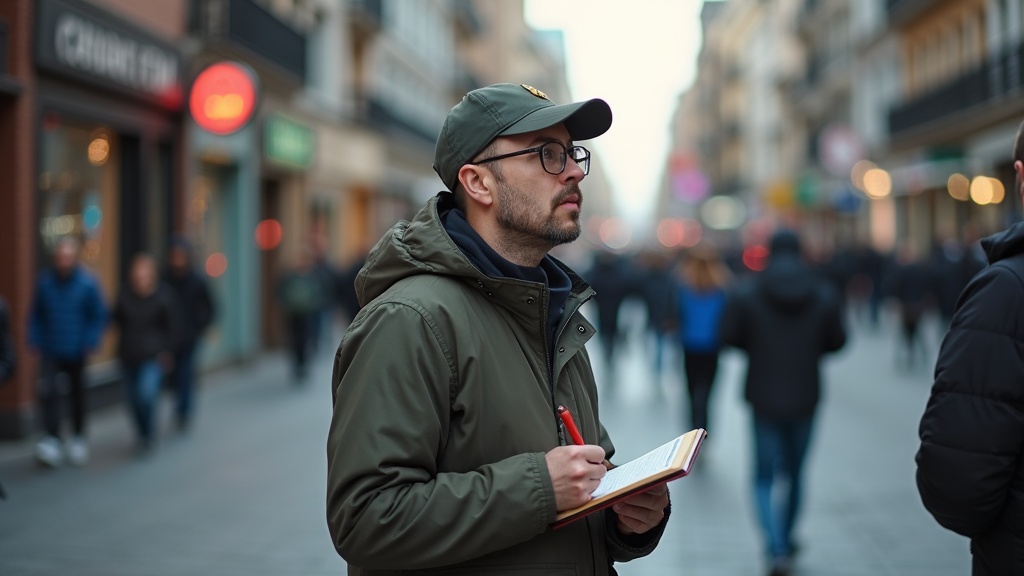
Every environment you step into is a complex tapestry of interconnected details. Consider how Emma, an urban explorer, navigates her city. She doesn't just glance at her surroundings; she immerses in them, noticing changes in mood, people’s behavior, and even the smells. This hyper-awareness of context enhances Emma’s ability to anticipate potential issues and react appropriately, much like interpreting an intricate web of information.
Beyond the Peripheral: The Power of Peripheral Vision
Peripheral vision is an underrated tool in your observational arsenal. James, a professional cyclist, relies heavily on his peripheral vision to detect movement and changes around him without needing to shift his direct gaze. Training this aspect of vision can enhance your ability to prepare for sudden changes in your environment, increasing both safety and situational responsiveness.
Sustained Attentiveness in a World of Distractions
In an age of constant digital interruptions, maintaining attentiveness becomes a rare skill. Alicia, a meditation guide, practices mindfulness exercises to sharpen her focus, making her more attuned to subtle shifts around her. This sustained attentiveness reduces the likelihood of missing crucial details that could inform better decisions, promoting well-being and safety.
Harnessing the Habit of Reflection
Post-observation reflection is critical for understanding patterns and triggers. Carlos, a high school teacher, reviews his observations daily, recognizing student behavior patterns that may indicate larger issues. By reflecting on observations regularly, you can derive actionable insights that improve future preparedness and handling of potential challenges.
Sound Awareness: Tuning into the Acoustic Layer
Sound, often overshadowed by visual cues, plays a crucial role in perception. Mia, a sound engineer, teaches us the value of listening not just to words, but ambient noises. Distinguishing different auditory cues can provide early warnings of nearby dangers, offering a unique layer of awareness and preparedness.
Building a 'Mental Map' for Your Sphere
Creating mental maps can enhance your spatial orientation and predict changes in familiar environments. Daniel, a firefighter, attributes his quick response times to the mental maps he’s crafted of various buildings. Understanding spatial layout helps in navigating swiftly and safely during emergencies, exemplifying the critical role of observation in daily care and response strategies.
Detecting Emotional Undercurrents: Observation Beyond the Tangible
Observing emotional cues can provide insight beyond tangible elements in any environment. Rebecca, a counselor, frequently assesses the emotional undercurrents in group settings, which makes her adept in intervening when tensions rise. This emotional awareness is crucial for maintaining harmony and provides a softer yet vital side of preparedness.
Cultivating a Flexible Mindset Through Observation
An observant person often displays a flexible mindset, crucial for adapting to rapidly changing circumstances. Howard, a crisis manager, excels at reading room dynamics and adjusting his strategies accordingly. By cultivating observational habits, you can foster a more resilient and adaptable approach to life's unpredictability.